The Critical Difference Between Industrial Welding and Standard Fabrication

If you manage a facility or a construction project in Aurora, MO, or even as far away as Kansas City, you know that "metalwork" is a broad term. You might need a simple bracket fixed today, but a massive structural beam installed tomorrow. While the terms are often used interchangeably, there is a massive gap between standard fabrication and industrial welding services.

At Premier Welding and Fabrication, we want to help you determine exactly what your project demands. Here are the three critical differences between these two disciplines. Contact us today.
Get a Quote

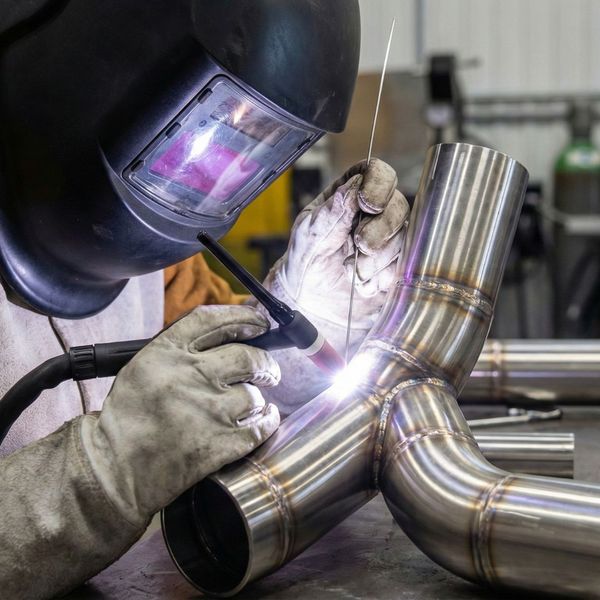
The Critical Difference Between Industrial Welding and Standard Fabrication 1.jpg

The Stakes of Structural Integrity

The most significant divider is the consequence of failure. Standard fabrication often involves non-critical components—think handrails, light fixtures, or decorative gates. If a weld fails here, it is an inconvenience.

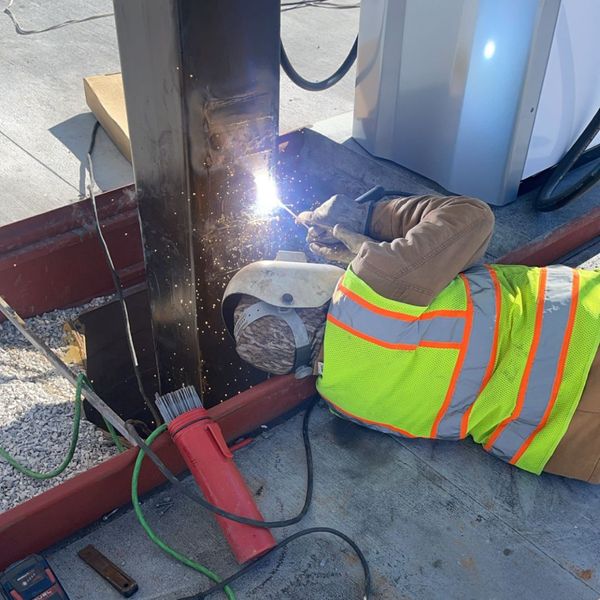
In contrast, structural steel welding and load-bearing metalwork involve components that hold up buildings, bridges, and heavy machinery. There is no margin for error. Industrial welding requires a deep understanding of physics and metallurgy to ensure that the joint is as strong, if not stronger, than the base material.

The Critical Difference Between Industrial Welding and Standard Fabrication 2.jpg

Certification and Code Compliance

Because the stakes are higher, the regulatory requirements for industrial work are much stricter. You can’t simply hire a hobbyist to repair a pressure vessel or a crane boom. These projects strictly require AWS-certified welding.

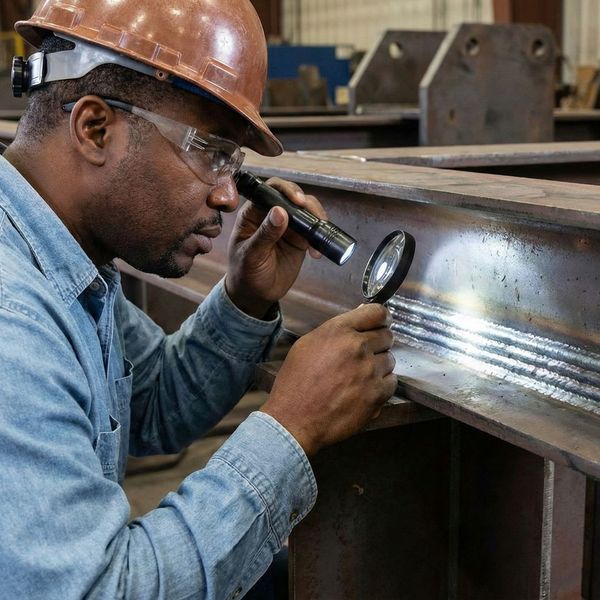
To perform heavy-duty metal fabrication, our team adheres to rigorous codes set by the American Welding Society (AWS). This ensures that every pass, bead, and joint meets specific legal and safety standards. While standard fabrication focuses largely on aesthetics and fit, industrial welding focuses on code compliance and passing non-destructive testing (NDT).

The Critical Difference Between Industrial Welding and Standard Fabrication 3.jpg

Material Complexity and Heat Control

Standard fabrication usually deals with mild steel or aluminum in standard thicknesses. Industrial welding services, however, often require high-strength alloy welding.

Industrial environments in Aurora often utilize specialized metals designed to resist extreme heat, pressure, or corrosion. Welding these high-strength alloys requires precise heat control. If the welder applies too much heat, they can weaken the metal's molecular structure; too little, and the weld won't penetrate.

GET IN TOUCH TODAY

Whether you are building a new facility or repairing heavy equipment, knowing the difference between a fabricator and an industrial welding specialist is key. At Premier Welding and Fabrication, we bridge the gap, offering high-end industrial welding services in Aurora and the surrounding areas, including Kansas City. Contact us today.

Get a Quote